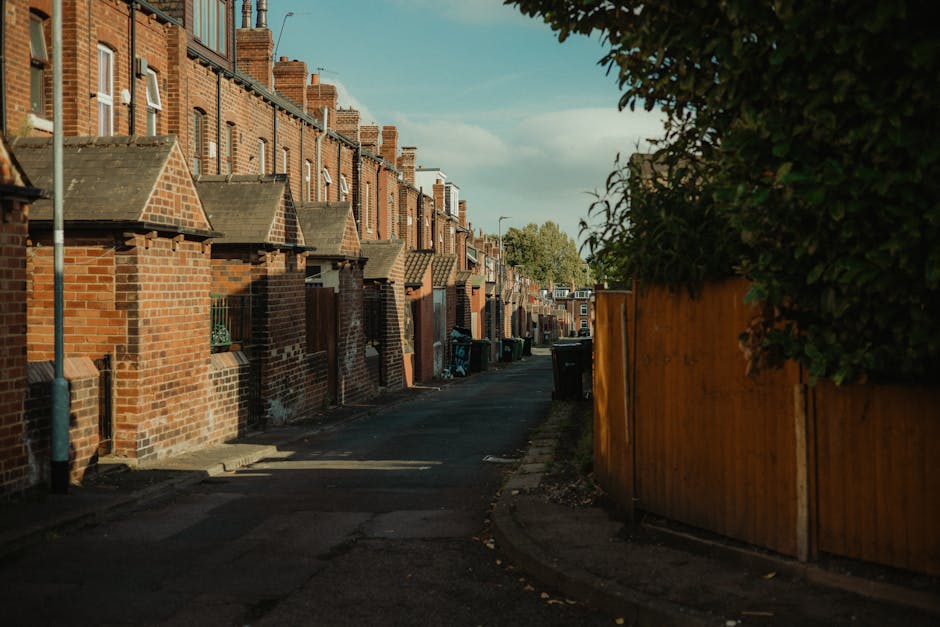
Rubbish removal for Tedworth Road homes Southfields SW18: a practical local guide for busy households
If you live on Tedworth Road and you are staring at a hallway full of old boxes, a garage that has quietly become a storage cave, or a garden pile that has outstayed its welcome, you are not alone. Rubbish removal for Tedworth Road homes Southfields SW18 is one of those jobs that feels small at first and then suddenly takes over your weekend. Bags multiply. Furniture gets in the way. And somehow the skip you thought you might order starts looking a lot less convenient once you picture parking, permits, and lifting everything yourself.
This guide explains how rubbish clearance usually works for local homes, what to expect, what to avoid, and how to choose the right approach for the job. It also covers the practical bits people often forget until the last minute: access, sorting, recycling, safety, and whether a full house clearance, loft clearance, or simple furniture disposal is actually the better fit.
Table of Contents
- Why rubbish removal matters on Tedworth Road
- How the process works
- Key benefits and practical advantages
- Who this is for and when it makes sense
- Step-by-step guidance
- Expert tips for better results
- Common mistakes to avoid
- Tools, resources and recommendations
- Law, compliance, standards and best practice
- Options, methods and comparison table
- Case study or real-world example
- Practical checklist
- Conclusion
- Frequently asked questions
Why Rubbish removal for Tedworth Road homes Southfields SW18 Matters
Tedworth Road sits in a part of Southfields where homes often have a mix of everyday domestic waste, renovation leftovers, old furniture, and the usual "we'll deal with that later" pile. That mix matters because the right rubbish removal approach is not just about making things look tidy. It helps keep the property usable, reduces trip hazards, and stops clutter from spreading into rooms that should feel calm and liveable.
For many households, the issue is space. A cramped hallway or packed loft can make the whole house feel smaller. For others, it is timing. Maybe you are preparing for new flooring, moving out, dealing with inherited items, or simply sick of the sight of a broken wardrobe that has been leaning at an awkward angle for three months. Let's face it, nobody enjoys living around junk.
There is also a trust side to it. Homeowners and tenants in Southfields often want a clearance service that is careful around shared access, respectful of neighbours, and sensible about recycling. On a road where parking and access can be tight, those details are not small details. They are the job.
If the clearance is tied to a bigger project, you may also want to look at builders waste clearance or a more general waste removal service, depending on whether the waste is mostly renovation debris or household clutter.
Expert summary: the best rubbish removal for a Tedworth Road home is the one that fits the load, the access, and the timeline. Simple as that. If you match the method to the mess, the whole process becomes cheaper, smoother, and far less stressful.
How Rubbish removal for Tedworth Road homes Southfields SW18 Works
In practical terms, rubbish removal usually starts with identifying what needs to go. That sounds obvious, but it is the bit that saves time later. A good clearance begins with a quick walk-through of the property, a look at the access route, and a rough sense of volume. Is it a few bin bags, a single sofa, a loft full of mixed household items, or a full-room clear-out? The answer changes the plan.
Most household clearance jobs follow a simple pattern:
- You describe what needs removing and where it is located.
- The job is assessed for volume, weight, item type, and access.
- A suitable collection slot is arranged.
- The waste is loaded, sorted, and taken away.
- Reusable or recyclable material is separated where possible.
For homes on Tedworth Road, access is often a real deciding factor. Front paths, narrow entrances, upstairs flats, basement storage, rear gardens, and shared hallways can all affect the amount of labour involved. That is why two jobs that look similar at first can turn out very differently on the day. A bulky chest of drawers down two flights of stairs is not the same as a few bags from the kerb. Obviously, but it is easy to forget in the rush.
If your project is specifically about a property reset or decluttering job, a broader home clearance may be more suitable. If it involves a whole property, especially after a move or tenancy change, house clearance is often the better fit. For smaller, more contained jobs, furniture disposal or furniture clearance may be enough.
Key Benefits and Practical Advantages
The biggest benefit is obvious: you get your space back. But there is more to it than that. Proper rubbish removal is one of those practical services that improves the day you are living in, not just the house on paper.
- Less physical strain: lifting awkward items downstairs or through tight spaces is where a lot of DIY plans fall apart.
- Faster turnaround: one organised clearance can achieve more in an hour than a whole weekend of piecemeal trips.
- Cleaner finish: a good clearance should leave the area swept and ready for the next step, whether that is decorating, selling, or just breathing easier.
- Better recycling outcomes: mixed waste can often be separated more effectively when handled properly from the start.
- Less neighbour friction: on a residential road, a tidy and efficient job is simply easier on everyone.
There is also a psychological benefit that people underestimate. Clutter is noisy, even when it is silent. You see it every time you walk past. You keep planning to deal with it. Then it hangs around and quietly drains your energy. Clearing it can feel oddly light. Not dramatic. Just lighter. And that matters in real life.
For garden overgrowth, broken pots, soil bags, or fence offcuts, a dedicated garden clearance can be the more efficient choice. If the mess includes sheds, stored tools, or piles from renovation work, a garage clearance or loft clearance may be a better match.
Who This Is For and When It Makes Sense
This kind of rubbish removal is useful for a surprisingly wide range of people. It is not just for big house moves or dramatic renovation projects. Sometimes it is the ordinary life stuff that creates the biggest need.
You may need help if you are:
- decluttering a family home on Tedworth Road
- preparing a property for sale or rent
- clearing furniture after a delivery replacement
- sorting through a loft, cellar, shed, or garage
- removing waste after repainting or light building work
- dealing with items left behind after a move or tenancy change
- making a small flat feel usable again
Flat owners and renters often benefit from flat clearance because access, stairs, and shared entryways can make even a modest pile feel bigger than it is. Homeowners, by contrast, often lean toward house clearance or targeted room-by-room removal. There is no one-size-fits-all answer, which is honestly a relief.
It also makes sense when time is tight. If you are coordinating decorators, movers, or tradespeople, rubbish can quickly become the thing that blocks everything else. Clear the waste first and the rest of the job usually becomes easier. Funny how that works.
Step-by-Step Guidance
If you want a smoother experience, it helps to think of rubbish removal as a sequence rather than a single pickup. The better prepared you are, the less chance there is of surprises on the day.
1. Separate what is staying from what is going
Before anything is moved, decide what should stay in the property. This sounds tedious, but it avoids accidental disposal and last-minute decisions. Try to group items by room and type. Keep donations, valuables, paperwork, and sentimental items somewhere clearly marked.
2. Identify bulky or awkward items early
Sofas, wardrobes, mattresses, fridges, and dismantled beds all change the job. So do mirrors, glass panels, and anything with sharp edges. If an item is too heavy for one person, say so upfront. No one wins by pretending that chest of drawers is "not that bad".
3. Check access honestly
Measure narrow hallways, stair turns, and door widths if needed. Note whether parking is close, whether there is a front garden wall, or whether waste has to be carried through the house. On Tedworth Road, small access issues can slow the job more than the actual lifting.
4. Match the service to the waste type
Mixed household waste, garden waste, furniture, and builders' rubble all behave differently. If your project involves renovation debris, look at builders waste clearance. If it is mainly broken household furniture, then furniture clearance might be enough.
5. Ask how recycling will be handled
A sensible clearance should separate reusable items and recyclable materials where possible. You do not need a lecture on it, just a clear answer. Ask what happens to wood, metal, green waste, cardboard, and reusable furniture.
6. Confirm the final scope before collection
Little extras have a way of appearing on the driveway. One bag becomes three. The old desk suddenly becomes a desk, chair, printer, and a tangle of cables. Confirm the scope before the team starts loading, so nobody is left guessing.
7. Review the area after removal
Once the waste is gone, take a final walk-through. Check cupboards, loft corners, under stairs, and the back of the shed. This is the point where people often discover a hidden stack of items they had completely forgotten. It happens all the time.
Expert Tips for Better Results
Over time, the jobs that go best tend to share the same traits: good sorting, honest communication, and a sensible approach to volume. Here are a few practical tips that make a real difference.
- Start with the biggest items first. Once sofas, wardrobes, and mattresses are gone, everything else looks more manageable.
- Keep a "maybe" pile separate. That stops useful items from getting mixed in with waste.
- Use room labels if the job is large. It sounds a bit organised to the point of fussiness, but it saves time.
- Put small loose items in bags or boxes. Loose clutter slows everything down and creates mess on stairs and hallways.
- Think ahead about future use of the space. If you are decorating, remodelling, or selling, a slightly different clearance plan may be better.
One practical tip that people rarely mention: photograph the space before the clearance if there is a lot of mixed waste. It gives you a clear record of what needs to go and helps avoid confusion if multiple rooms are involved. Not glamorous, but useful.
If you want to compare pricing or service scope before going ahead, the page on pricing and quotes is worth checking. And if security or payment worries are part of your decision, the site's payment and security information gives additional reassurance.
Common Mistakes to Avoid
A lot of rubbish removal problems are avoidable. The mistake is usually not the waste itself, but the planning around it.
- Mixing hazardous items with ordinary rubbish. Paints, solvents, and certain electrical items may need separate handling.
- Underestimating volume. A room that looks half full can turn into a much bigger load once everything is stacked and carried out.
- Forgetting access constraints. Narrow staircases, parked cars, and shared entrances can delay the job more than expected.
- Leaving sorting until collection day. That often leads to stress, indecision, and extra handling time.
- Choosing a service based on price alone. Cheapest is not always best if the job needs more careful loading or specific waste handling.
Another common issue is scope creep. Someone adds a mattress. Then a chair. Then half a shed. Before long, the plan no longer matches the job. It is better to be upfront about the full amount of waste, even if the number feels awkward. A straight answer is nearly always the cheaper answer in the end.
Tools, Resources and Recommendations
You do not need many tools to manage a domestic clearance, but the right few make the process cleaner and quicker. Think practical, not fancy.
- Heavy-duty bin bags for mixed light waste
- Boxes or crates for books, files, and reusable items
- Labels or sticky notes to mark keep, donate, recycle, and remove
- Basic gloves for dusty lofts, garages, or garden areas
- Dust sheets if you are moving items through finished rooms
- Phone camera for quick room photos and inventory checks
For certain types of clutter, the service route matters more than the tools. For example, a pile of old chairs and tables is usually better handled through furniture disposal. If the waste includes office-style equipment from a home workspace, office clearance may be relevant. And if the job began after home improvements, builders waste clearance can save a lot of time and dust.
A small recommendation from real-world experience: keep a separate corner for paperwork, keys, and chargers. The number of times important bits get accidentally bundled with rubbish is, well, more than you'd expect.
Law, Compliance, Standards and Best Practice
Domestic rubbish removal in the UK should be handled responsibly, especially where waste is being transferred from a home to a clearance operator. You do not need to become a waste law expert, but it does help to understand the basic expectations.
Best practice normally means:
- waste is taken by a legitimate operator
- items are handled safely during lifting and loading
- reusable and recyclable material is separated where practical
- hazardous or specialist waste is not treated like ordinary rubbish
- work on site respects the property and neighbours
If a job includes potentially awkward items, such as large broken glass panels, sharp metal, or heavy furniture, care becomes just as important as speed. You want a service that understands safe handling rather than one that simply tries to move everything as fast as possible. The quickest route is not always the safest. Not by a long shot.
For customers who want more background on how a provider approaches safe operations, the pages on health and safety policy, insurance and safety, and recycling and sustainability are useful reads. They help set expectations around responsible working and how waste is treated after collection.
One more practical point: if you are clearing a property near shared access, keep paths clear and avoid blocking entrances or pavements any longer than necessary. That is simple courtesy, but also part of good local practice.
Options, Methods and Comparison Table
There are a few ways to deal with domestic rubbish, and the right one depends on the type and amount of waste. Here is a straightforward comparison.
| Method | Best for | Pros | Things to watch |
|---|---|---|---|
| DIY trips to the tip | Very small volumes | Good for one-off bagged waste | Time-consuming, lifting effort, vehicle limits |
| Skip hire | Longer projects and ongoing waste | Handy if waste will build up over days | Space, permit issues, loading yourself |
| Specialist rubbish removal | Mixed household waste, furniture, bulky items | Fast, labour included, less physical effort | Cost depends on volume and access |
| Targeted clearance service | Lofts, garages, gardens, flats, or single rooms | Efficient and tailored to the area being cleared | Needs a clear scope before collection |
For many Tedworth Road homes, a targeted clearance is the sweet spot. It keeps things proportionate. If the job is mainly a loft full of stored items, use loft clearance. If the pile came from outside, use garden clearance. If you are emptying a whole property, lean toward house clearance or home clearance.
Case Study or Real-World Example
Here is a simple real-world style example. A homeowner on Tedworth Road has a front room that has slowly become a holding area for a worn sofa, two broken dining chairs, flat-pack packaging, and several bags of mixed clutter from a recent redecorating project. The room is still usable, technically, but it feels cramped and awkward. Every time someone enters, they have to sidestep a stack of stuff near the window.
Instead of trying to tackle everything over several evenings, the homeowner sorts the items into three groups: keep, recycle, and remove. The furniture is separated from the packaging. The small clutter is bagged. The access route from front door to pavement is checked so nothing catches on corners or scrapes the walls. The whole job is then treated as a simple mixed domestic clearance rather than a vague "we need to clear some stuff".
The result is better than expected, and not just because the room is empty afterwards. The room suddenly has shape again. You can hear your own footsteps on the floor. The natural light comes back. The whole place feels different, and that change is usually what people were hoping for all along.
That same logic applies whether you are clearing a single room, a garage, or a full house. Make the waste type clear, separate what can be reused, and be honest about access. Small thing. Big difference.
Practical Checklist
Use this quick checklist before arranging rubbish removal for a Tedworth Road home:
- Identify every room or area affected
- Separate keep, donate, recycle, and remove items
- Measure access points if the items are bulky
- Note stairs, narrow hallways, and parking limitations
- Flag fragile, sharp, or heavy items in advance
- Confirm whether the waste includes garden, furniture, or builders debris
- Check whether any items need specialist handling
- Ask how reusable and recyclable materials will be treated
- Make sure pets, children, and residents can stay out of the way during loading
- Walk through the space after clearance to check nothing has been missed
It is a simple list, but simple is often the point. The smoother the prep, the less hassle on the day. And the less hassle, the better the result. There really is no prize for making the job harder than it needs to be.
Conclusion
Rubbish removal for Tedworth Road homes Southfields SW18 is ultimately about making domestic life easier. Whether you are clearing a single sofa, sorting out a packed loft, emptying a garage, or preparing a whole house for its next chapter, the right approach brings order back fast. It saves time, reduces strain, and helps you reclaim the space without turning the job into a personal weekend endurance event.
The main things to remember are straightforward: match the service to the waste, be honest about access, separate what can be reused, and choose a method that fits the size of the job. If you do that, the process becomes much more manageable, even for awkward or mixed waste. And yes, the room will probably look bigger afterwards. Funny how clutter hides square footage, isn't it?
Get a free quote today and see how much you can save.
When the clutter is gone and the air feels a bit clearer, you remember why getting organised mattered in the first place. Small relief, maybe. But real.
Frequently Asked Questions
What counts as rubbish removal for a Tedworth Road home?
It usually means collecting and disposing of unwanted household items, mixed clutter, bulky furniture, garden waste, or renovation leftovers from a home on or near Tedworth Road. The exact scope depends on the property and the type of waste involved.
Is rubbish removal better than hiring a skip?
For many homes, yes. A clearance service can be more convenient because the loading is handled for you, which matters if you have stairs, limited parking, or heavy items. A skip may suit longer projects, but it usually means more lifting and more space taken up outside.
Can I use rubbish removal for just one or two large items?
Yes, absolutely. A single sofa, wardrobe, mattress, or broken table can often be removed without needing a full clearance. Furniture-focused services such as furniture clearance or furniture disposal may be the neatest option.
How do I know if I need house clearance or home clearance?
If you are clearing a whole property, especially after a move or tenancy change, house clearance is often the better fit. If you are clearing selected areas, a partial reset, or mixed household clutter, home clearance may be more appropriate.
What happens to recyclable items?
Where practical, recyclable materials should be separated from general waste. That may include metals, cardboard, green waste, or reusable furniture parts. Good practice is to ask in advance how the waste will be sorted after collection.
Do I need to sort everything before collection day?
It helps a lot, but you do not always need to sort every single item perfectly. The most useful thing is to separate obvious categories such as keep, remove, recycle, and donate. That makes the job smoother and reduces avoidable mistakes.
What if the waste is from DIY or renovation work?
If the waste came from home improvements, plastering, or light construction, builders waste clearance is often the right route. Mixed rubble, timber offcuts, and packaging can be handled differently from ordinary household rubbish.
How should I prepare a loft or garage for clearance?
Start by removing anything you want to keep, then group items into clear piles. Check for sharp objects, dusty boxes, old paints, and fragile belongings. If the space is cramped, clear a walking route first so access stays safe.
Is rubbish removal suitable for flats as well as houses?
Yes. Flats often benefit from flat clearance because stairs, communal areas, and tighter access can make the job more complicated than it looks at first. Planning matters even more in those settings.
How do I compare quotes fairly?
Compare the scope, not just the price. Check what is included, whether labour and loading are covered, how access affects the cost, and whether the provider explains how items will be handled after removal. A clearer quote is usually the better quote.
What should I ask before booking rubbish removal?
Ask how the team handles bulky items, whether recycling is included in the process, what information is needed about access, and how the final price is determined. If payment or security matters to you, the site's payment and security page is a useful reference point.
Can rubbish removal help before a sale or rental changeover?
Yes, and often very effectively. Clearing clutter makes a property look larger, cleaner, and easier to present. For sale or let preparations, that visual reset can be the difference between a space that feels tired and one that feels ready.
Where can I learn more about the company and its standards?
If you want to understand the provider behind the service, the about us page is a good starting point. You can also review the terms and conditions and the recycling and sustainability information for more context on how the work is handled.