Curbside Bulky Waste Guide for SW18: Replingham Road
If you live on Replingham Road in SW18, bulky waste can become one of those jobs you keep meaning to sort out. A sofa that no longer fits the room, a broken wardrobe, an old mattress, or a pile of garage clutter can sit for weeks if you do not have a clear plan. This guide explains how curbside bulky waste collection works, what to put out, what to avoid, and how to choose the most practical disposal route for your property.
For many homes, the simplest answer is not to drag heavy items through narrow hallways or squeeze them into a car. The better answer is a tidy, safe, curbside collection plan that respects local access, keeps pavements clear, and gets the waste moved on quickly. You will also find useful internal resources such as waste removal support, furniture disposal guidance, and the company's pricing and quotes page if you want to compare options.
Practical summary: curbside bulky waste works best when items are listed, separated, and placed where crews can collect them safely without blocking pedestrians, parked vehicles, or driveways. A little preparation goes a long way.
Why Curbside Bulky Waste Guide for SW18: Replingham Road Matters
Bulky waste is different from ordinary household rubbish. It is heavier, harder to carry, and more likely to cause damage if handled carelessly. On a road like Replingham Road, where front boundaries, on-street parking, and pedestrian movement all matter, a badly planned set-out can create avoidable friction for everyone. That is why a proper curbside bulky waste guide is useful: it turns a vague chore into a manageable process.
The biggest reason this matters is simple. Large items are awkward. They are awkward to store, awkward to move, and awkward to dispose of if you do not know the route. Sofas, beds, wardrobes, desks, and garden furniture can all create the same problem: they occupy space long after they stop serving any purpose. The longer they sit there, the more they become clutter rather than waste.
There is also a trust element. When waste is collected from the kerb in a controlled way, it is easier to maintain safety, reduce mess, and ensure items are passed into a proper disposal or recycling route. If you are clearing a house, flat, loft, or garage, that reliability matters. A large clear-out often turns into a chain reaction, and one bulky item can lead to several more. In that sense, this is not just a disposal question; it is a home management question.
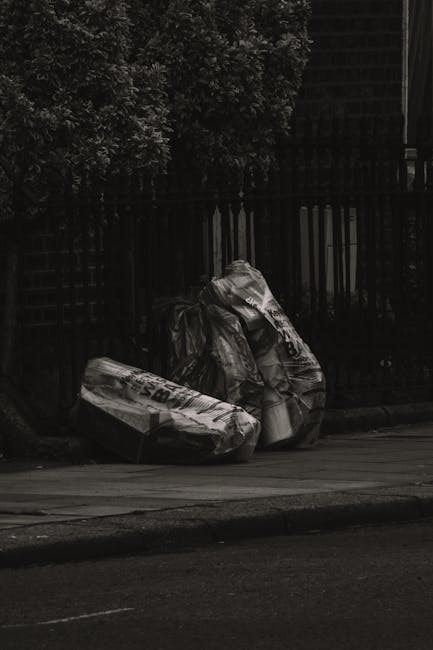
For local readers, it also helps to think about the street environment. Replingham Road is the kind of place where access and courtesy count. If waste is left out too early, too far onto the pavement, or mixed with loose material, it can quickly become a nuisance. A cleaner, more deliberate set-out is better for neighbours and for the crew collecting it.
If your bulky waste is part of a bigger declutter, it may be worth looking at related services such as home clearance, house clearance, or flat clearance. Those pages are useful if your project is larger than a single item or involves multiple rooms.
How Curbside Bulky Waste Guide for SW18: Replingham Road Works
The curbside approach is straightforward in principle: you identify the bulky items, prepare them safely, place them in a suitable collection point near the property boundary, and arrange for removal through the relevant service or contractor. The key is preparation. Most problems happen not during the collection itself, but in the hour before it.
In practice, the process usually follows a familiar pattern:
- You decide which items are bulky and should be removed.
- You check whether anything can be reused, donated, or dismantled first.
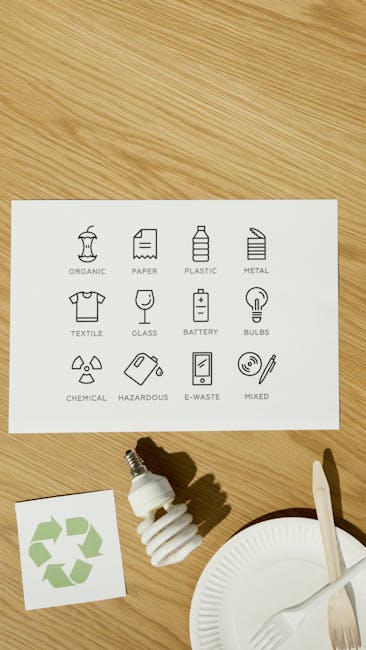
- You separate the waste into sensible categories, such as furniture, metal, wood, or mixed household items.
- You make sure the access route is safe and clear.
- You place the items where they can be lifted without blocking the road or pavement.
- You confirm collection timing so items are not left out longer than necessary.
Not every service works exactly the same way. Some collections are best for a single item or a small load, while others are more suitable for a full-property clear-out. If you are comparing methods, it can help to review furniture clearance options or broader household clearance support to see whether a mixed-item pickup is more efficient.
It also matters how heavy or awkward the waste is. A flat-packed wardrobe is one thing; a waterlogged divan base is another. The first can be lifted neatly, the second may need extra handling. The more you know about the waste in advance, the smoother the collection tends to go. Truth be told, "unknown contents" is rarely a good surprise in waste work.
For households and small businesses in the SW18 area, the practical goal is usually the same: remove bulky items without creating delay, damage, or safety issues. That means the best curbside plan is the one that keeps things simple, visible, and ready to move.
Key Benefits and Practical Advantages
A well-planned bulky waste collection brings more than just an empty space. It gives you control over the job, reduces lifting risk, and makes it easier to complete the clear-out in one go instead of dragging it out over several weekends.
- Less physical strain: large items are moved by people who are used to handling them safely.
- Faster turnaround: you can clear a room, hallway, or garden area without waiting for multiple trips.
- Cleaner kerbside presentation: waste is easier to gather, sort, and remove when it is prepared properly.
- Better recycling potential: separated items are easier to route into suitable recovery streams.
- Reduced clutter at home: once bulky waste leaves, the property feels more usable straight away.
There is also a less obvious benefit: decision clarity. When you know how bulky waste will be handled, it becomes easier to decide what stays, what goes, and what should be repaired or reused. This is especially useful during moves, refurbishments, bereavement clearances, or landlord end-of-tenancy preparations.
A local service can also be more flexible about property access. For example, if you are in a flat with limited stair space or a house with a narrow front path, a crew that understands domestic access can often work more cleanly than a do-it-yourself approach. If your disposal job is mixed with renovation debris, builders waste clearance may be more relevant than a standard household pickup.
When people ask what makes the process worthwhile, the answer is usually this: less stress, fewer trips, and a better finish. Nobody enjoys living around a broken wardrobe for a month.
Who This Is For and When It Makes Sense
This guide is useful for a wide range of readers, not just households with a single unwanted sofa. Bulky waste crops up in many everyday situations, and the right solution depends on the size, type, and urgency of the job.
You are likely to benefit from curbside bulky waste collection if you are:
- clearing out old furniture after a move
- replacing a mattress, bed frame, or wardrobe
- emptying a garage or loft
- preparing a rental property for new occupants
- tidying up after a refurbishment
- removing broken items that cannot go in normal bins
- sorting mixed household junk from a larger declutter
It also makes sense when access is decent but the waste is too awkward for a standard bin collection. If the item is too large to carry easily, too heavy for one person, or too bulky to dismantle quickly, curbside removal is often the practical route.
For landlords and agents, the value is even clearer. A fast, well-organised collection can help avoid delays between tenancies. For business owners, especially those with compact premises, business waste removal or office clearance may be a better fit if the items come from a workplace rather than a home.
And if the waste is concentrated in one room or one storage area, a focused service such as garage clearance or loft clearance can be easier than treating it as a general rubbish job.
Step-by-Step Guidance
The best bulky waste clearances feel calm, not chaotic. Here is a practical step-by-step method you can follow for Replingham Road or any similar SW18 address.
1. Identify exactly what needs to go
Walk through the property and make a simple list. Separate true bulky waste from items that might still be reusable. If you have a table with one damaged leg, ask whether it should be repaired, donated, or removed. That decision matters because it affects both cost and environmental impact.
2. Check for reuse opportunities
Not everything that looks tired is ready for disposal. Some furniture can be reused, repurposed, or passed on. For guidance on what happens to furniture after collection, the company's recycling and sustainability page is worth a look. It explains the broader approach to responsible waste handling.
3. Measure and photograph awkward items
If the waste includes large wardrobes, sofas, or white goods, a quick photo can help you avoid surprises later. Measurements are especially useful if access is tight or if the item needs to be carried through a narrow hallway. This sounds basic, but it saves time and prevents a rushed collection day.
4. Clear the route
Move small items, shoes, bins, bikes, and door mats out of the way. Make sure there is a clean path from the item to the collection point. On a residential street, the smoother the route, the less likely it is that the process will disturb neighbours or become awkward on the pavement.
5. Group items logically
Place furniture with furniture, mixed rubbish with mixed rubbish, and recyclable material where it can be seen clearly. If possible, dismantle items into manageable pieces. A bed frame separated into sections is usually easier and safer to lift than one that is still assembled.
6. Confirm timing
Agree the collection time and keep the items ready only when needed. The goal is simple: do not leave bulky waste outside for longer than necessary. That helps with appearance, security, and good neighbour relations.
7. Check what has been removed
Once the collection is complete, do a quick walk-around. Make sure small fragments, screws, fabric offcuts, and packaging have been cleared as well. A neat finish is part of a proper job.
Expert Tips for Better Results
In our experience, the difference between a smooth bulky waste job and a frustrating one often comes down to small decisions made before collection day.
Tip 1: keep similar materials together. Wood, metal, and soft furnishings are easier to handle when grouped sensibly. Even when they end up in a mixed load, separation helps the team work faster and assess recycling potential more easily.
Tip 2: dismantle where sensible, not obsessively. You do not need to take everything apart to the last screw. But removing table legs, bed slats, and doors can make a big difference. If the item is clearly easier to carry in parts, do it. If not, leave it.
Tip 3: protect the property on the way out. Door frames, banisters, and corners often take the first hit during awkward lifting. A bit of padding or careful routing can prevent scuffs and unnecessary damage.
Tip 4: avoid mixing liquids and solids. Paint tins, chemicals, and contaminated materials need special attention and should not be casually mixed with standard bulky waste. If you are unsure, ask before placing anything out.
Tip 5: think about the next room before the first item leaves. Once a large piece of furniture is gone, the room often looks strangely empty. That is the ideal moment to decide whether you are repainting, reusing the space, or continuing the clearance. It is a small psychological shift, but it helps.
Where the job involves delicate items or a lot of contents, it may be better to use a more structured service such as furniture clearance or house clearance rather than treating it as a basic curbside drop-off.
Common Mistakes to Avoid
Most bulky waste problems are preventable. The same few mistakes come up again and again, and they are usually easy to fix once you know them.
- Putting items out too early: this makes the street untidy and can create complaints.
- Leaving mixed loose debris everywhere: loose screws, glass, and small fragments slow everything down.
- Assuming every item can be collected the same way: some materials need special handling.
- Blocking access for pedestrians or neighbours: even a tidy pile can become a nuisance if it is badly placed.
- Not checking item condition first: a broken bed frame may be easy to remove, but a heavy, damp sofa can be much less straightforward.
- Ignoring hidden waste inside furniture: drawers, cushions, and cupboards can contain smaller items that should be removed first.
One common misunderstanding is that all bulky items are automatically recycled in the same way. That is not how responsible waste management works. Sorting and material type matter. If sustainability matters to you, review the company's recycling approach before booking.
Another mistake is treating a bulky waste job like a normal bin day. It is not. It is closer to a mini logistics exercise. Nothing dramatic, just enough planning to avoid a mess.
Tools, Resources and Recommendations
You do not need specialist equipment for every job, but a few basic tools can make the process cleaner and safer.
| Tool or resource | Why it helps | Best use case |
|---|---|---|
| Gloves | Protects hands from splinters, dust, and sharp edges | General handling and sorting |
| Moving straps or trolley | Makes heavier items easier to shift | Large furniture and awkward pieces |
| Screwdriver or Allen key | Useful for quick dismantling | Beds, wardrobes, desks |
| Dust sheets or cardboard | Helps protect floors and door frames | Indoor moves through tight spaces |
| Camera or phone | Helps record item condition and dimensions | Quotes and access planning |
| Quote and service pages | Helps compare support levels and costs | Before booking a clearance |
If you are still deciding how much help you need, a good next step is to compare the relevant service pages. For example, furniture disposal is ideal when the main task is large household items, while waste removal suits broader, mixed loads. For properties with storage problems, garage clearance and loft clearance may be the more specific fit.
You may also want to review the company's insurance and safety information and its health and safety policy. Those pages matter if you are comparing providers and want reassurance about handling standards.
Law, Compliance, Standards, or Best Practice
Bulky waste handling should always follow sensible UK waste practice, even when the collection feels informal. The key principle is simple: waste must be managed responsibly, transported safely, and taken to appropriate facilities. If you are hiring a contractor, you want confidence that the load is handled properly and not dumped where it should not be.
For householders, the practical best practice is to avoid mixing prohibited or hazardous materials into general bulky waste. Batteries, electrical hazards, chemicals, and other risky items often need different treatment. If something feels unusual, treat that as a sign to check before setting it out. It is far better to ask once than to create a problem later.
If you are booking a clearance service, it is sensible to review their published terms and operational information. The company's terms and conditions and payment and security pages are useful starting points. They help set expectations around booking, service scope, and payment handling.
For a public-facing service, transparency is also important. A clear about us page and easy contact us route support trust. If an issue ever arises, the company's complaints procedure shows that there is a proper channel for resolving it.
That is the real standard here: safe handling, honest communication, and a disposal route you can feel comfortable with.
Options, Methods, or Comparison Table
There are usually three practical ways to deal with bulky waste on Replingham Road: curbside collection, man-and-van style removal, or a broader clearance service. The right choice depends on how much you have, how fast you need it gone, and how much lifting you want to do yourself.
| Method | Best for | Pros | Trade-offs |
|---|---|---|---|
| Curbside bulky collection | Single items or small, well-prepared loads | Simple, quick, tidy | Needs good access and careful timing |
| Furniture or item-specific clearance | Sofas, beds, wardrobes, and similar household pieces | Better for large domestic items | May not suit mixed rubbish |
| Full home or flat clearance | Multiple rooms, deceased estates, moving day, or major declutters | Most comprehensive and time-saving | More involved than a simple collection |
If you are dealing with a tidy set of items at the boundary, curbside collection is usually enough. If you have a mixture of furniture, boxed clutter, and loft debris, a wider service is often more efficient. If you are unsure, compare it against house clearance or home clearance to see whether a full-service approach is the better fit.
Commercial properties should consider the same logic. A business with desks, shelving, and filing cabinets may be better served by office clearance than by a one-off bulky pickup. For builders' leftovers, builders waste clearance is typically the more appropriate route.
Case Study or Real-World Example
Imagine a typical SW18 house on Replingham Road where the owners are replacing two old armchairs, a mattress, and a bedside cabinet. The hallway is narrow, the front path is modest, and there is a tight parking situation outside. On a rushed day, this kind of job can feel annoying fast.
Instead, they make a simple plan. First, they remove smaller items from the cabinet and fold up loose bedding. Next, they measure the mattress and take a quick photo of the armchairs in case any parts need dismantling. Then they clear the route from the front room to the boundary and group the items by type. The collection is booked for a time when access is easiest, and the waste is placed out only shortly before pickup.
The result is predictable in the best sense. No frantic shuffling. No blocked doorway. No loose screws rolling down the hall. The items are removed in one visit, the pavement stays clear, and the room is ready for decorating the same day.
That is the kind of outcome a good bulky waste plan should deliver. Not drama. Just a clean handover from clutter to space.
Practical Checklist
Use this checklist before placing bulky waste out for collection on Replingham Road.
- Confirm exactly which items are leaving.
- Check whether anything can be reused, sold, or donated.
- Empty drawers, cupboards, and hidden compartments.
- Dismantle items if it makes them safer or easier to move.
- Keep hazardous or unusual materials separate.
- Clear the route from the property to the collection point.
- Place items neatly and do not block the pavement.
- Keep small loose parts in a bag or box.
- Check collection timing and avoid early set-out.
- Review relevant service information, including pricing guidance and any booking terms.
- Do a final sweep once the items are gone.
Quick reminder: if the load is larger, mixed, or more time-sensitive than expected, consider a full clearance rather than forcing it into a basic collection slot.
Conclusion
Curbside bulky waste collection for SW18, especially on Replingham Road, works best when it is planned with care and carried out with a light touch. Identify the items, prepare them safely, and place them in a way that respects access and keeps the street tidy. That approach saves time, reduces stress, and usually leads to better disposal outcomes.
For simple jobs, a well-managed curbside pickup may be all you need. For bigger clear-outs, related services such as furniture clearance, flat clearance, or office clearance can make the process easier and more efficient. The best choice is the one that fits the waste you actually have, not the one that sounds simplest at first glance.
If you want a cleaner, safer, and more convenient way to deal with bulky items, start with a clear list and a sensible collection plan. That is usually where the real savings begin.
Get a free quote today and see how much you can save.
Frequently Asked Questions
What counts as bulky waste on Replingham Road?
Bulky waste usually means items that are too large or awkward for normal bin collection, such as sofas, mattresses, wardrobes, tables, and similar household pieces. If you cannot lift it easily or fit it into standard containers, it likely qualifies.
Can I leave bulky items on the pavement the night before?
It is better not to. Leaving items out too early can create a cluttered street, inconvenience neighbours, and increase the risk of damage or misuse. Put them out as close to collection time as possible.
Do I need to dismantle furniture before collection?
Not always, but dismantling can help if the item is easier to carry in parts. Bed frames, wardrobes, and tables often become much simpler once legs, doors, or side panels are removed.
What should I do with reusable furniture?
If an item is still in good condition, consider reuse, resale, or donation before disposal. It is often the best first step, especially for furniture that is still structurally sound.
Is curbside collection suitable for mixed rubbish and furniture?
Sometimes, yes, but it depends on the load. If the waste is a mixture of furniture, household junk, and loose debris, a broader waste removal or house clearance service may be more practical.
How do I know whether I need a clearance service instead of a pickup?
If you have multiple rooms, lots of loose items, or heavy lifting throughout the property, a clearance service is usually the better fit. A simple pickup works best for smaller, prepped loads.
What happens if an item is too heavy to move safely?
Do not force it. Heavy or awkward items should be assessed properly, and if needed, handled by people with the right equipment and experience. Safety matters more than speed.
Can I include electrical items with bulky waste?
Sometimes electrical items can be taken, but they may need separate handling depending on the item and its condition. If in doubt, check before setting them out with general bulky waste.
How can I keep my hallway and walls from getting scuffed?
Clear the route first, use padding where needed, and avoid rushing corners or door frames. Small adjustments like removing table legs can make a surprisingly big difference.
What if I have waste from a loft, garage, or garden as well?
That often means you need something broader than a single-item collection. Services like loft clearance, garage clearance, or garden clearance may be a better match.
How do I compare bulky waste options fairly?
Compare what is included, how access is handled, whether sorting is needed, and how the company describes recycling and safety practices. The cheapest option is not always the best value if it creates more work for you later.
Who should I contact if I want to book or ask questions first?
Use the provider's contact page and ask about the load, access, timing, and any specific items that may need special handling. A quick conversation usually clears up uncertainty before the job starts.